


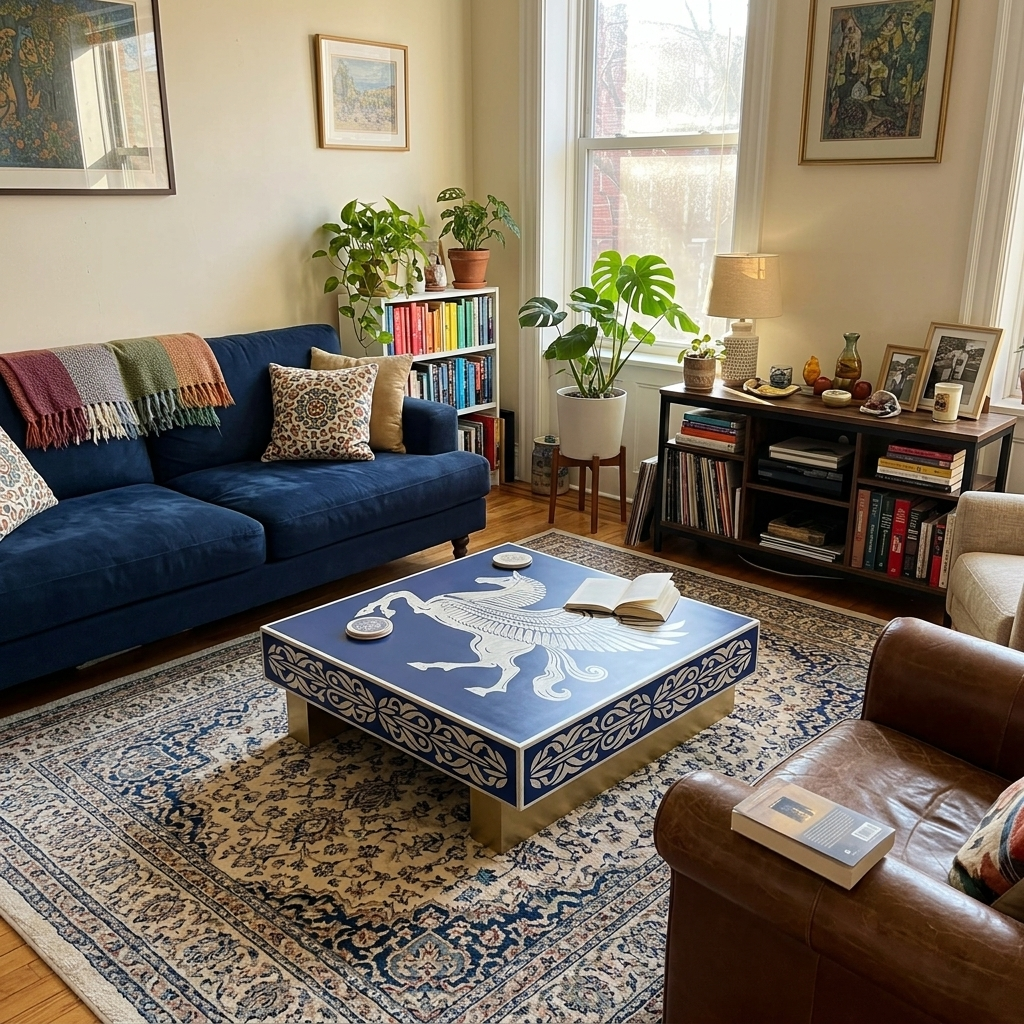
How to Style an Empty Living Room Corner: 11 Luxury Ideas for Modern Indian Homes
Introduction
Every living room has that one corner that never quite feels finished. It might be the empty space beside your sofa, an awkward area near a window, or a neglected corner between the television unit and the entrance. While these spaces are easy to overlook, styling them well can transform the entire appearance of a room.
The secret is not to fill every empty area with furniture. Instead, choose pieces that introduce character, improve functionality and complement the rest of your interiors.
For modern Indian homes, this means finding the right balance between comfort, space efficiency and refined design. A carefully selected accent table, a sculptural chair, a handcrafted cabinet or a warm floor lamp can turn an ordinary corner into an intentional design feature.
Whether you live in a compact Gurgaon apartment, a contemporary Delhi home or a spacious luxury residence, these living room corner ideas will help you make better use of your available space.
From statement furniture to minimalist styling, here are 11 ways to create a living room that feels thoughtfully designed.
1. Create a Statement Corner with a Handcrafted Accent Table
An accent table is one of the easiest ways to make an empty corner feel complete without occupying too much floor space.
Unlike bulky storage furniture, a compact accent table introduces visual interest while leaving the room open. It can sit beside an armchair, near a window or at the end of a sofa.
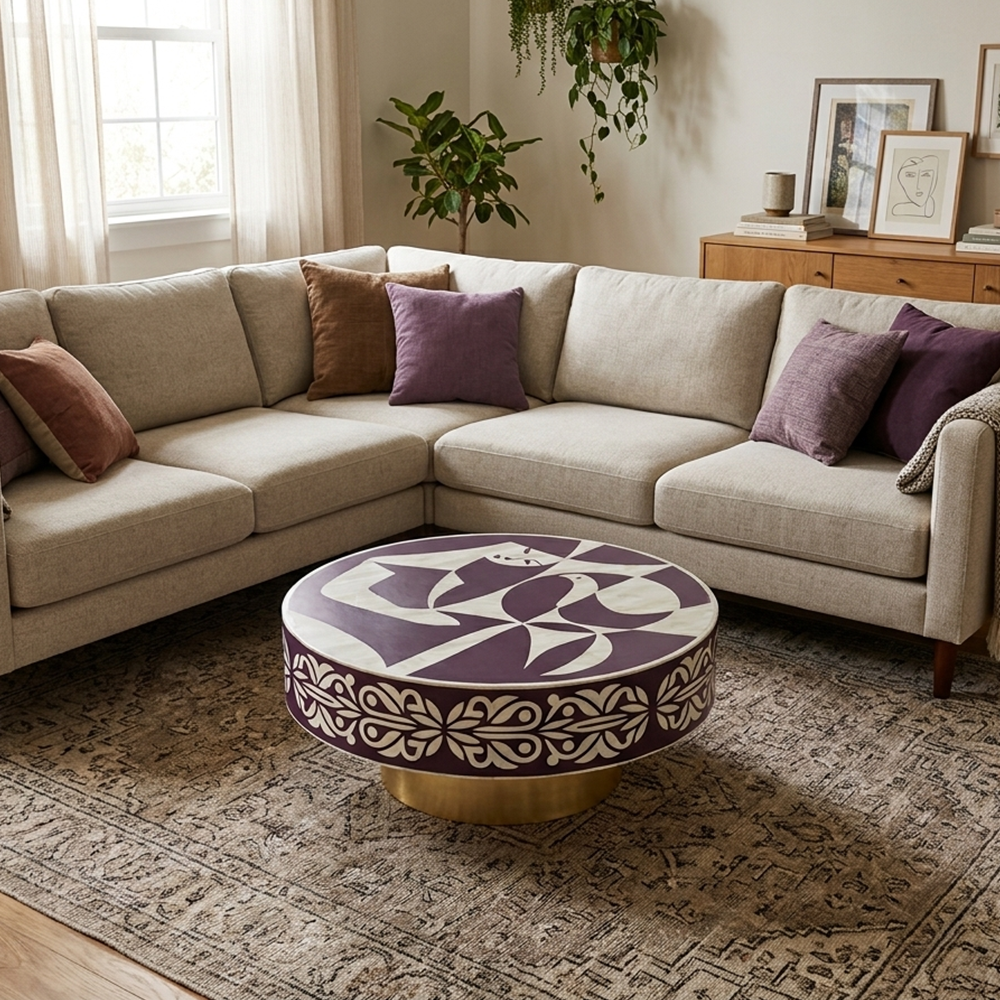
For a luxury interior, consider a table with intricate bone inlay detailing, geometric patterns or contrasting decorative surfaces. These designs add texture and craftsmanship to otherwise simple surroundings.
Keep the styling restrained. A small ceramic vase, a sculptural decorative object or a single coffee-table book is usually enough. Leaving some of the tabletop visible helps the furniture stand out.
Styling tip: Choose a table that complements your existing furniture rather than matching every piece exactly. A patterned accent table can look especially striking against plain walls and neutral upholstery.
Explore CasaGold's handcrafted furniture collections to find pieces that bring decorative detail into your living space.
2. Turn an Empty Corner into a Reading Nook
If you enjoy reading or want a quiet place to unwind, transform an unused corner into a small reading nook.
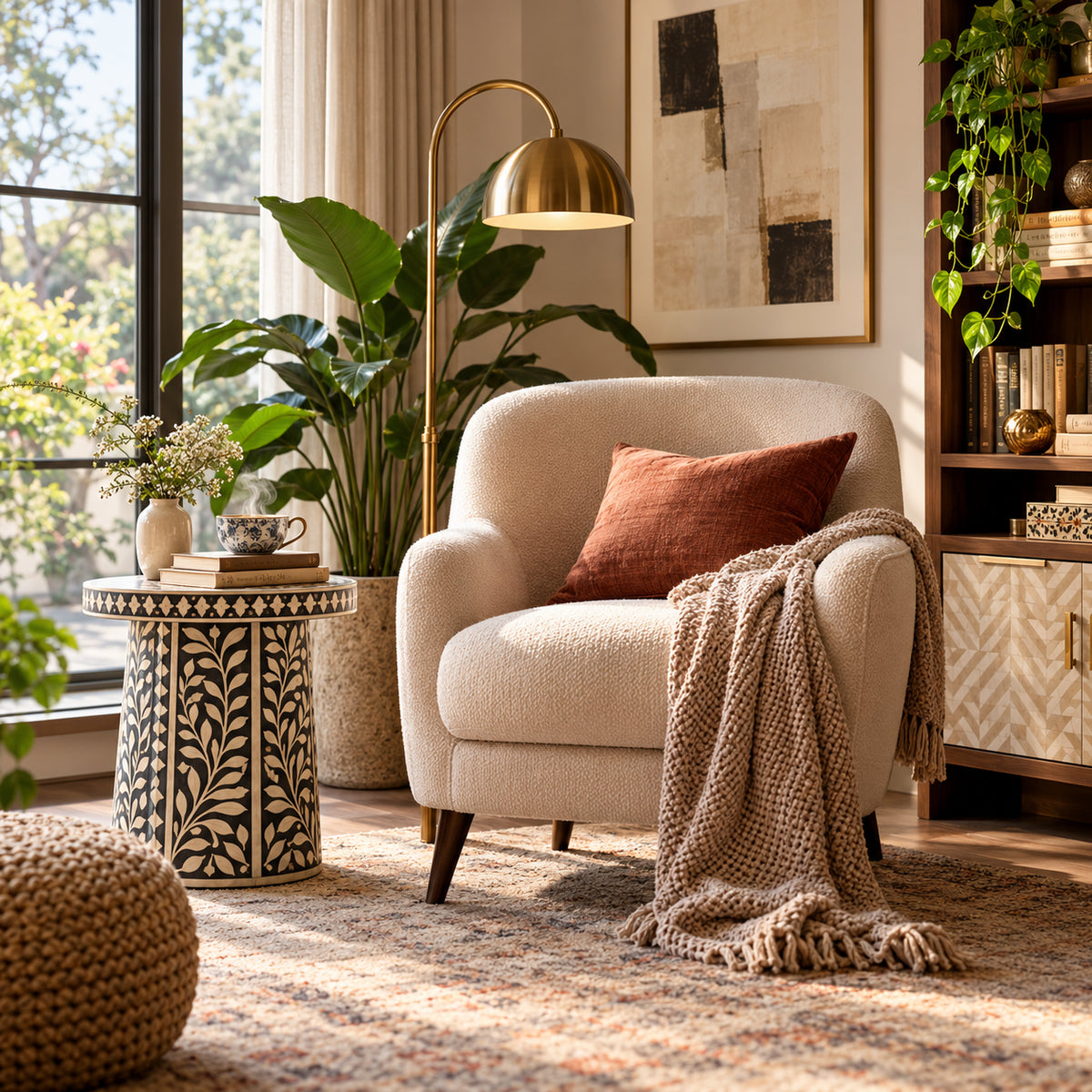
Start with a comfortable armchair that fits the available floor area. Add a floor lamp for focused lighting and a side table for your current book, reading glasses or a cup of tea.
For Indian homes, consider how natural light changes throughout the day. A corner beside a window can provide excellent daytime reading light, while a warm lamp makes the same space inviting in the evening.
Choose upholstery that complements your living room. Beige, olive, rust, muted blue and warm brown can work beautifully with natural wood and neutral walls.
Avoid oversized chairs in compact apartments. A streamlined silhouette with visible legs will help maintain a sense of openness.
A small rug can define the reading area without requiring a separate room. The result is a functional corner that feels like a natural extension of your living room.
3. Add a Bone Inlay Side Table for Artistic Detail
Bone inlay furniture is an excellent option when you want a corner to feel distinctive rather than simply decorated.
Its detailed patterns introduce visual texture, making it especially effective in interiors with plain walls, understated sofas and minimal accessories.
A bone inlay side table can sit beside an accent chair or in an otherwise unused corner. Depending on its size and design, it can function as both a practical surface and a decorative focal point.
For a softer aesthetic, choose neutral or monochromatic patterns. If your living room needs more personality, consider contrasting colours or a bold geometric design.
The surrounding decor should remain relatively simple. Too many patterned cushions, rugs and accessories can compete with the furniture's intricate detailing.
Bone inlay works particularly well when paired with linen upholstery, natural wood, warm lighting and carefully chosen metallic accents.
When buying handcrafted furniture, check the dimensions, finish, construction details and care instructions. Decorative furniture should look beautiful while remaining suitable for everyday use.
4. Use a Console Table to Style a Bare Wall
An empty wall near a living room entrance or behind a sofa can feel disconnected from the rest of the space.
A console table provides a simple solution. Its narrow profile makes it suitable for areas where a full-sized cabinet would feel too bulky.
Choose a design that suits your interior style. A wooden console can create warmth, while a bone inlay console adds decorative detail. A minimalist design can work particularly well in contemporary apartments.
Style the surface using three elements: something tall, something sculptural and something low. For example, combine a table lamp, a decorative bowl and a small stack of books.
You can also place a mirror or artwork above the console to create a stronger visual connection between the furniture and the wall.
Measure the available walking space before choosing a console. It should not obstruct doors, narrow passages or access to other furniture.
The goal is to create an elegant transition between different areas of your home without making the room feel crowded.
5. Bring Warmth into the Room with a Floor Lamp
Lighting can change how a living room feels, especially in the evening.
An empty corner often appears darker because the main ceiling light does not distribute illumination evenly. A floor lamp introduces a second layer of lighting while adding height to the room.
For a contemporary interior, choose a lamp with a clean silhouette. A sculptural metal lamp can complement modern furniture, while a fabric shade creates a softer atmosphere.
Position the lamp beside a chair, behind a sofa or next to a small accent table. Make sure it does not interfere with the natural movement through the room.
Warm white lighting generally creates a more relaxed atmosphere than harsh, cool lighting in a residential living space.
If your corner already contains patterned furniture, choose a simple lamp. Conversely, a distinctive lamp can become the focal point of a minimalist corner.
Think about the room's lighting as a combination of layers rather than relying entirely on overhead fixtures. The result will feel more comfortable and considered.
6. Display One Large Artwork Instead of Several Small Objects
Not every empty corner needs another piece of furniture.
Sometimes, the best solution is to create a visual focal point on the wall beside the corner. A large artwork, framed print or carefully selected decorative mirror can give the area a sense of purpose.
Choose artwork that connects with your room's existing colour palette. It does not need to match your cushions or curtains exactly, but repeating one or two colours can make the design feel cohesive.
For neutral interiors, consider abstract artwork, earthy landscapes or pieces with subtle texture.
If you prefer a gallery wall, arrange the frames before hanging them. Keep the spacing consistent and make sure the overall composition suits the size of the wall.
Avoid hanging artwork too high. It should relate visually to the furniture beneath it rather than appearing disconnected from the room.
This approach is particularly useful for homeowners who want to improve their interiors without buying additional furniture.
7. Introduce a Decorative Cabinet for Style and Storage
An empty corner near the dining area or living room entrance can serve a practical purpose with the right cabinet.
A compact decorative cabinet provides storage for items that otherwise remain visible on shelves or tabletops. Depending on its design, it can hold tableware, board games, books or household accessories.
For a more distinctive interior, consider a handcrafted cabinet with decorative inlay, patterned doors or contrasting finishes.
The key is to choose the correct scale. A tall cabinet can make use of vertical space, while a shorter design may feel more appropriate beneath artwork or beside a sofa.
Check the cabinet's door clearance and allow enough room to open drawers comfortably.
Keep the top surface simple. A vase, a framed photograph or a decorative object can be enough to complete the arrangement.
Before purchasing, consider whether you genuinely need the storage. Furniture that solves a practical problem is easier to integrate into daily life than a piece chosen only to occupy an empty area.
8. Create a Minimalist Corner with Natural Materials
Minimalist interiors are not about removing every decorative object. They are about choosing fewer items and giving each one room to stand out.
For an understated living room corner, combine natural wood, linen, ceramics and soft neutral colours.
A wooden stool or small side table can provide a useful surface without drawing too much attention. Add a handmade ceramic vase or one sculptural object to introduce texture.
This approach works particularly well in apartments where too many accessories can make the room feel visually busy.
Use contrast to keep the design interesting. Smooth walls can be balanced with textured upholstery, while a simple wooden surface can complement a patterned rug.
Natural materials also work well alongside handcrafted furniture. A bone inlay table, for example, can become a statement piece when surrounded by simple fabrics and restrained accessories.
Keep the colour palette consistent, but do not worry about making every material identical.
A thoughtfully styled minimalist corner should feel comfortable and lived in, not like a showroom where nobody is allowed to touch anything.
9. Use a Tall Indoor Plant to Fill Vertical Space
If your living room has an awkward corner with limited floor area, a tall indoor plant can introduce height and natural texture.
Choose a plant that suits the available light, room temperature and level of maintenance you can provide.
A suitable plant near a window can soften the straight lines of furniture and make the room feel more connected to nature.
The planter matters as much as the plant itself. A simple ceramic planter, textured pot or understated stand can complement a contemporary interior.
Avoid placing large plants where they obstruct windows, walking routes or access to curtains.
If the corner receives little natural light, research shade-tolerant varieties rather than choosing a plant solely for its appearance. Artificial greenery can also work when maintaining a live plant is impractical.
For a balanced look, pair the organic shape of a plant with a table or cabinet featuring clean lines.
This contrast between natural forms and structured furniture is an easy way to make a living room feel more layered.
10. Make a Small Living Room Corner Work Harder
Small living rooms require a different approach from spacious homes. Every piece of furniture needs to justify the space it occupies.
Start by measuring the corner and identifying what you need most: storage, additional seating, lighting or a decorative feature.
A narrow side table may be more useful than a large cabinet. A compact stool can provide occasional seating and double as a surface when needed.
Look for furniture with open legs or a visually light structure. These designs can make a small room feel less crowded because more of the floor remains visible.
Use wall-mounted shelves when floor space is limited, but avoid filling every available section of the wall.
Colour can also influence the result. Light neutrals create a calm backdrop, while one darker or patterned furniture piece can provide contrast.
The most common mistake is choosing furniture based on appearance alone. A piece that looks impressive in a large showroom may overwhelm a compact apartment.
For small Indian homes, accurate measurements and clear walking routes are more valuable than adding another decorative object.
11. Combine Statement Furniture with Soft Lighting and Accessories
The most successful living room corners bring together furniture, lighting and accessories without making any single element feel out of place.
Start with one anchor piece, such as a handcrafted accent table or decorative cabinet. Add lighting if the area needs it, then finish with one or two accessories.
Consider the balance between materials. Patterned furniture can be paired with plain upholstery, while a simple wooden table can be complemented by textured ceramics or a decorative lamp.
Repeat a colour from elsewhere in the room to connect the corner with the larger interior. This could be a shade found in your cushions, rug, curtains or artwork.
Pay attention to height as well. A low table beside a tall lamp creates contrast, while objects of identical heights can make the arrangement appear flat.
Leave some empty space around the furniture. Negative space is an important part of interior design because it allows individual pieces to stand out.
Above all, choose items that reflect your personal taste. A living room should support how you relax, entertain guests and spend time at home.
How to Choose the Right Furniture for Your Living Room Corner
Before buying furniture, evaluate the corner as part of the entire room.
Measure the space. Record the width, depth and available height. Include the clearance required for doors, drawers and nearby seating.
Consider the purpose. Decide whether you need storage, occasional seating, a decorative feature or a practical surface.
Match the design language. Contemporary furniture, traditional Indian craftsmanship and minimalist decor can coexist, but they need a common element such as colour, material or proportion.
Think about maintenance. Decorative finishes may require specific cleaning methods. Follow the manufacturer's instructions, especially for delicate surfaces.
Check the construction. Look at the materials, finish quality, stability and product dimensions rather than relying on photographs alone.
Set a realistic budget. Compare products on construction, craftsmanship, functionality and long-term suitability, not just their initial appearance.
A few minutes spent planning can prevent an expensive purchase that does not fit your room.
Common Living Room Corner Decorating Mistakes to Avoid
Even attractive furniture can look out of place when the surrounding area is poorly planned.
One common mistake is overcrowding the corner with too many small accessories. Instead, select one main piece and allow it to become the focal point.
Another is ignoring scale. Oversized furniture can obstruct movement, while a very small object may disappear against a large wall.
Poor lighting is another issue. If the corner feels dark, adding more decor will not solve the problem. Consider a suitable lamp or adjust the existing lighting.
Avoid matching every finish and colour exactly. Coordinated interiors benefit from contrast and variation in texture.
Finally, do not buy furniture simply because a space looks empty. If the corner already serves a purpose as a walking route or provides useful breathing room, leaving it open may be the best decision.
Good interior design is about making deliberate choices, not filling every gap.
Why Handcrafted Furniture Can Elevate a Modern Indian Home
Modern interiors often use restrained colour palettes, straightforward layouts and simple architectural details. Handcrafted furniture introduces a different layer of character through material, pattern and visible workmanship.
Bone inlay and mother-of-pearl designs can add decorative interest without requiring major changes to the room. A single statement table or cabinet can create a focal point against neutral walls and understated upholstery.
These pieces also provide an opportunity to combine traditional craft influences with contemporary furniture arrangements.
The most effective approach is selective styling. Rather than filling the entire room with ornate furniture, use one distinctive piece and balance it with simpler elements.
When choosing handcrafted furniture, check the product's materials, dimensions, finish and care requirements. Construction and maintenance details matter just as much as the design.
CasaGold offers an opportunity to explore furniture and decor that can become part of a thoughtfully styled home. Browse its relevant collections to find pieces that suit your room, available space and personal aesthetic.
Frequently Asked Questions
1. How do you decorate an empty corner in a living room?
Begin by identifying the corner's purpose. An accent table, reading chair, floor lamp, decorative cabinet, artwork or indoor plant can work well. Choose one main feature and avoid overcrowding the space.
2. What furniture is best for a small living room corner?
Compact side tables, narrow consoles, lightweight stools and slim floor lamps are practical choices. Measure the available space and maintain clear walking routes before purchasing furniture.
3. How can I make my living room look luxurious without renovating?
Focus on proportion, lighting, material quality and thoughtful styling. A handcrafted accent table, coordinated textiles, warm lighting and carefully selected artwork can improve the room's appearance without structural changes.
4. Does bone inlay furniture suit modern interiors?
Yes. Bone inlay furniture can complement modern interiors when its patterns and colours are balanced with simple upholstery, neutral walls and restrained accessories. A single accent piece is often enough to create visual interest.
5. How do I style a console table in the living room?
Combine a few objects of different heights, such as a lamp, vase and decorative bowl. Consider adding artwork or a mirror above the console, and leave enough open surface to prevent the arrangement from looking cluttered.
6. What colours work best for a luxury living room?
Warm neutrals, beige, cream, taupe, olive, charcoal and earthy browns can create sophisticated interiors. The best palette depends on your lighting, existing furniture and preferred style.
7. How do I choose the right accent table?
Consider its height, width, finish, stability and intended use. The table should complement nearby seating and provide enough surface area for everyday needs without obstructing movement.
8. Should every living room corner have furniture?
No. Empty space can make a room feel larger and improve movement. Decorate a corner only when the furniture or accessories contribute to the room's function or overall design.
Final Thoughts
An empty living room corner is an opportunity to make your home more functional and visually interesting. The right furniture can introduce storage, create a reading area, improve lighting or add a distinctive design feature.
Start with the space you have, decide what you want the corner to achieve, and select pieces that complement your existing interiors.
For a refined look, combine thoughtful proportions with warm lighting, natural textures and carefully chosen accessories. If you prefer furniture with more character, a handcrafted accent table or decorative cabinet can create a striking focal point without overwhelming the room.
Explore CasaGold's furniture collections to discover pieces that suit your space and bring your interior design vision to life.
The best living room corner is not necessarily the most decorated one. It is the one that feels like it belongs in your home.

Written by Cheena Bhasin


Leave a comment
This site is protected by hCaptcha and the hCaptcha Privacy Policy and Terms of Service apply.