

How to Choose a Bone Inlay Bar Cabinet for Indian Homes: Styling, Storage and Layout Ideas
A thoughtfully designed home bar can change the way a living room or dining area feels. It creates a dedicated place for entertaining guests, displaying beautiful glassware and keeping serving essentials organised. Yet the furniture chosen for this corner often matters just as much as the accessories placed inside it.
For homeowners who want something more distinctive than a conventional wooden cabinet, a bone inlay bar cabinet offers an interesting combination of decorative craftsmanship and practical storage.
Intricate patterns, contrasting colours and carefully finished surfaces can turn a functional cabinet into a statement piece. The challenge is choosing a design that suits your room, offers enough storage and works with the furniture you already own.
In Indian homes, where living rooms often double as entertaining spaces and dedicated bar rooms are uncommon, the right size and placement become especially important.
This guide explains how to choose a bone inlay bar cabinet, plan its location, organise your essentials and create a polished home bar without making the surrounding space feel cluttered.
What Makes a Bone Inlay Bar Cabinet Different?
A traditional bar cabinet primarily serves a storage purpose. It keeps bottles, glassware and serving accessories together in one location.
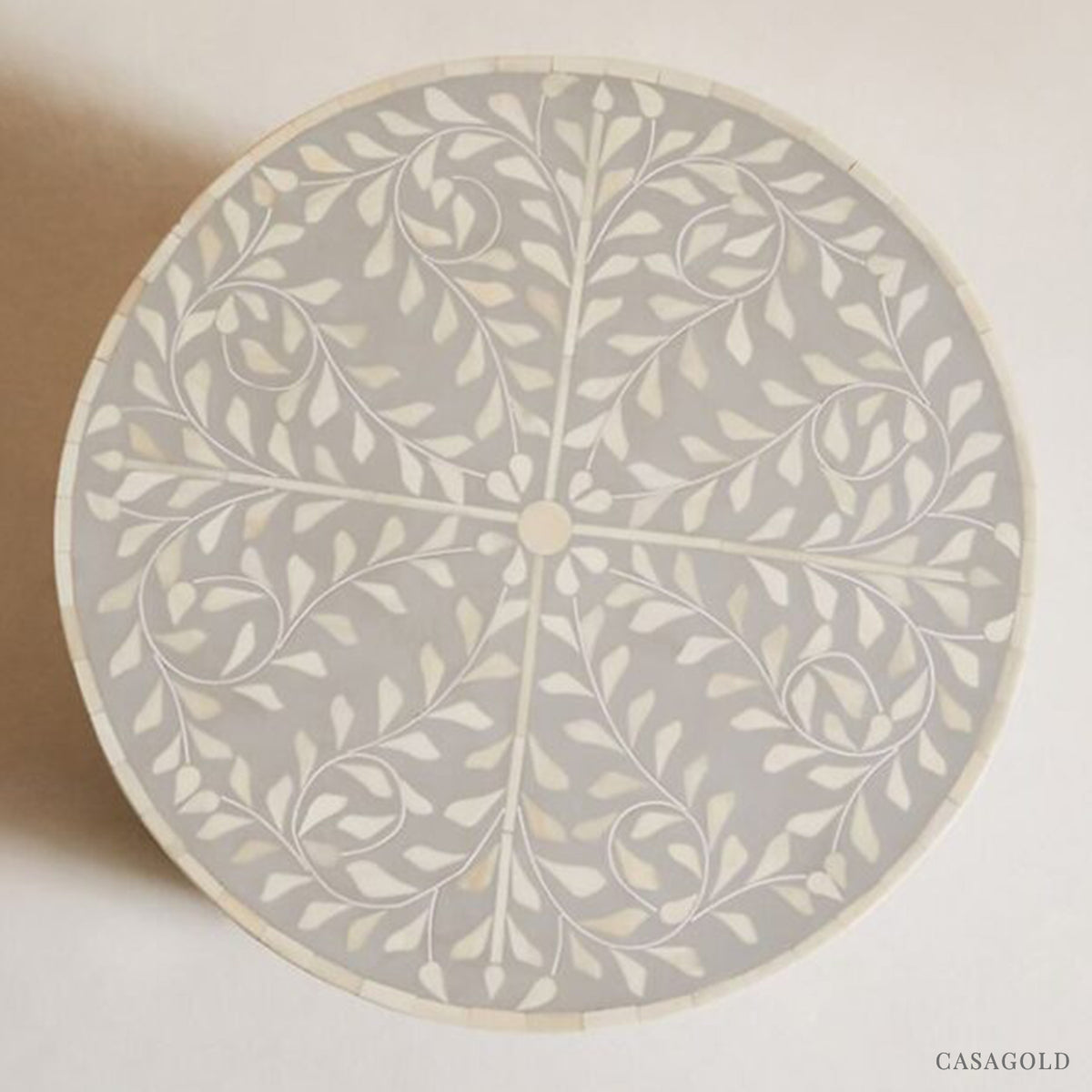
A bone inlay bar cabinet adds an additional design element through decorative inlay work. Small pieces of bone or other inlay materials are arranged into patterns across a furniture surface, with contrasting material filling the spaces between them.
Depending on the design, the result may feature floral motifs, geometric lines, repeating symbols or more contemporary patterns. The cabinet can function as storage while also contributing texture and visual interest to the room.
This makes it particularly suitable for interiors where most of the furniture has simple silhouettes.
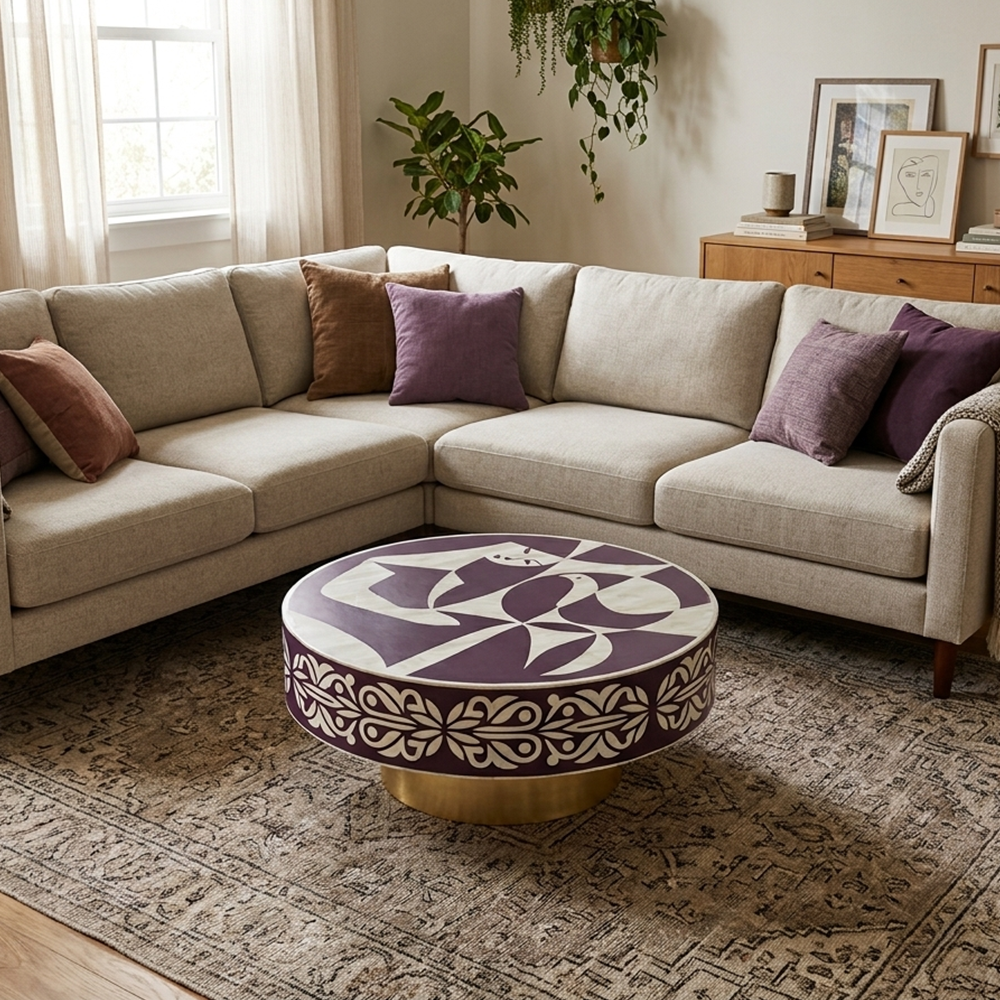
For example, a living room with a neutral sofa, warm wooden flooring and understated wall décor can benefit from a patterned cabinet that introduces contrast without requiring an entirely new colour scheme.
The same principle works in dining rooms, lounge areas and entertaining corners. Rather than adding several decorative objects, one carefully chosen piece can give the space a clear focal point.
Explore the CasaGold bar storage collection to compare styles when planning your home bar.
1. Measure Your Space Before Choosing a Design
The first step in selecting a bone inlay bar cabinet is understanding where it will stand.
A tall cabinet may look elegant in a product photograph but feel oversized when placed beside a sofa or dining table. Likewise, a wide cabinet can interrupt movement through an open-plan living room.
Measure the wall, alcove or corner where you intend to place the unit. Record the available width, depth and height, then account for nearby furniture, doorways, switches and sockets.
Do not stop at the cabinet's external dimensions. If it has hinged doors or pull-out drawers, check whether they can open fully without hitting a dining chair, sofa or another cabinet.
Consider these three placement options.
Along a living room wall
A wall beside the main seating area can provide a natural location for a bar cabinet. It remains visible without necessarily occupying the centre of the room.
Keep a comfortable passage between the cabinet and the seating arrangement, especially in smaller apartments.
In a dining area
A cabinet near the dining table can make serving convenient during gatherings. It also creates a natural connection between the dining setup and the entertaining area.
However, leave enough room for chairs to move backwards and for people to walk behind seated guests.
Inside an existing alcove
An unused alcove can provide a dedicated location without requiring an entirely new section of cabinetry.
Before choosing a cabinet for a niche, compare its dimensions with the available opening and check how much space remains around the doors.
A useful planning habit is to mark the cabinet footprint on the floor with masking tape. This gives you a clearer sense of the actual space it will occupy.
2. Decide What Your Home Bar Needs to Store
A beautiful cabinet can become frustrating to use if its storage does not match your needs.
Before purchasing one, make a quick list of what you intend to keep inside it. Your requirements may include bottles, wine glasses, cocktail glasses, serving trays, a shaker, napkins, coasters and other bar accessories.
Some homeowners also use the cabinet as a mocktail station or a general beverage cupboard for tea, coffee and entertaining essentials.
The intended use should determine the interior layout.
For occasional entertaining
If you host guests only occasionally, a compact cabinet with a few shelves and a useful top surface may be sufficient.
You do not need to fill every shelf. Keep frequently used glasses accessible and store less frequently used accessories in designated compartments.
For regular hosting
A larger cabinet may be more suitable if you regularly entertain several guests.
Consider how many glasses you need, whether bottles fit upright and whether the working surface offers enough room to arrange serving items.
For a multipurpose beverage station
A cabinet can also support a coffee or mocktail setup. In this case, dedicate separate areas to cups, glassware, tea supplies, mixers and serving accessories.
Electrical appliances require additional planning. A coffee machine, for example, needs a suitable nearby power outlet and enough clearance for safe operation. Do not place electrical appliances inside an enclosed cabinet unless the product and installation are designed for that use.
The goal is to select a cabinet around your actual routine instead of buying a design that looks impressive but cannot accommodate what you need.
3. Choose a Pattern That Complements Your Interior
Bone inlay furniture often becomes a focal point because its patterns differ from the plain surfaces of most contemporary furniture.
That visual distinction is valuable, but the pattern should still work with the surrounding interior.
Black and white for contemporary homes
Black-and-white inlay creates a defined graphic contrast.
It can complement cream upholstery, monochrome artwork, dark wooden flooring and brass-coloured hardware. This combination also works well in rooms where the remaining furniture has simple lines.
Teal and green for a richer palette
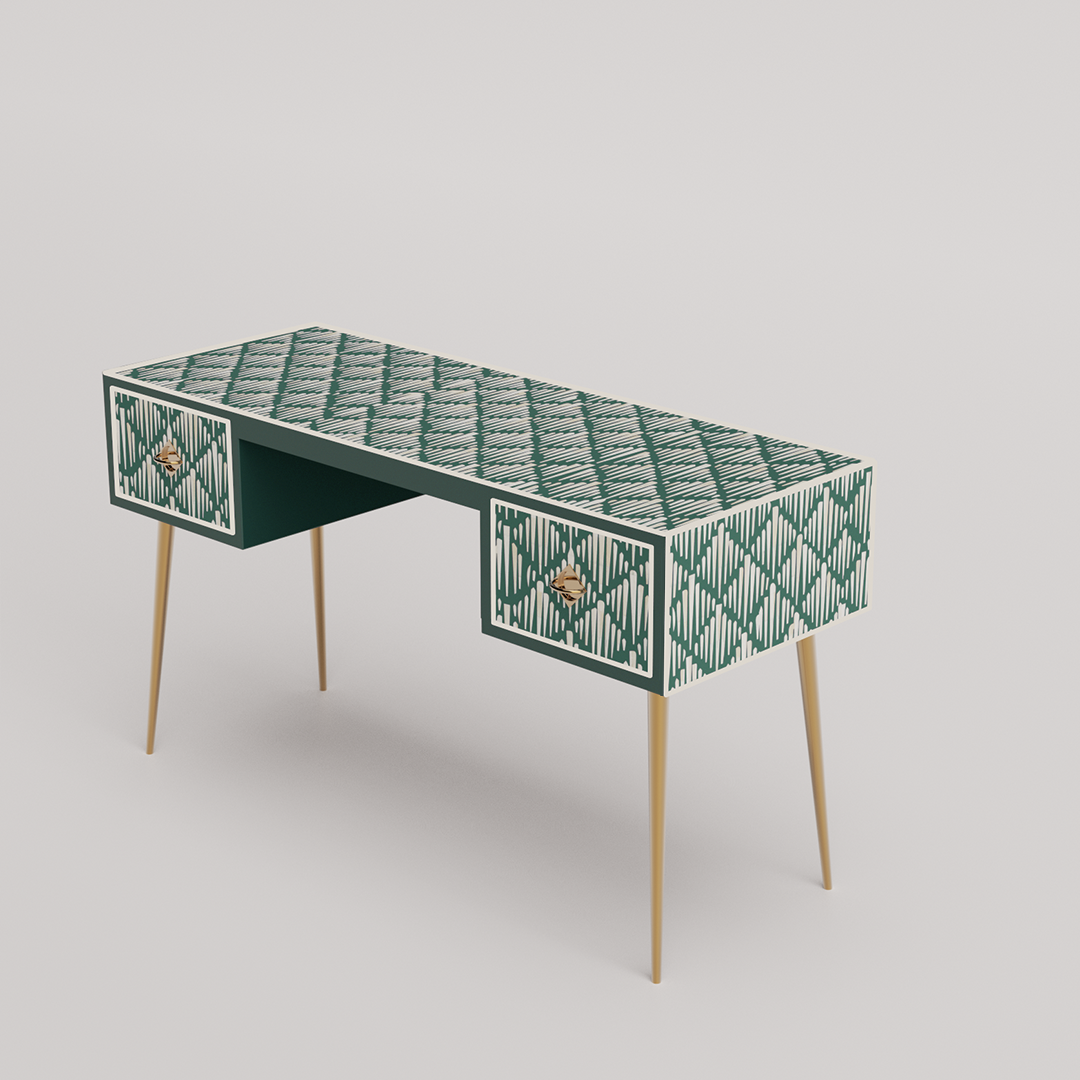
Teal and deeper green finishes can bring colour into neutral interiors without requiring brightly coloured walls.
Pair these finishes with beige, warm white, natural wood or muted gold accents. Repeating one colour through cushions, artwork or a vase helps the arrangement feel coordinated.
Neutral patterns for understated interiors
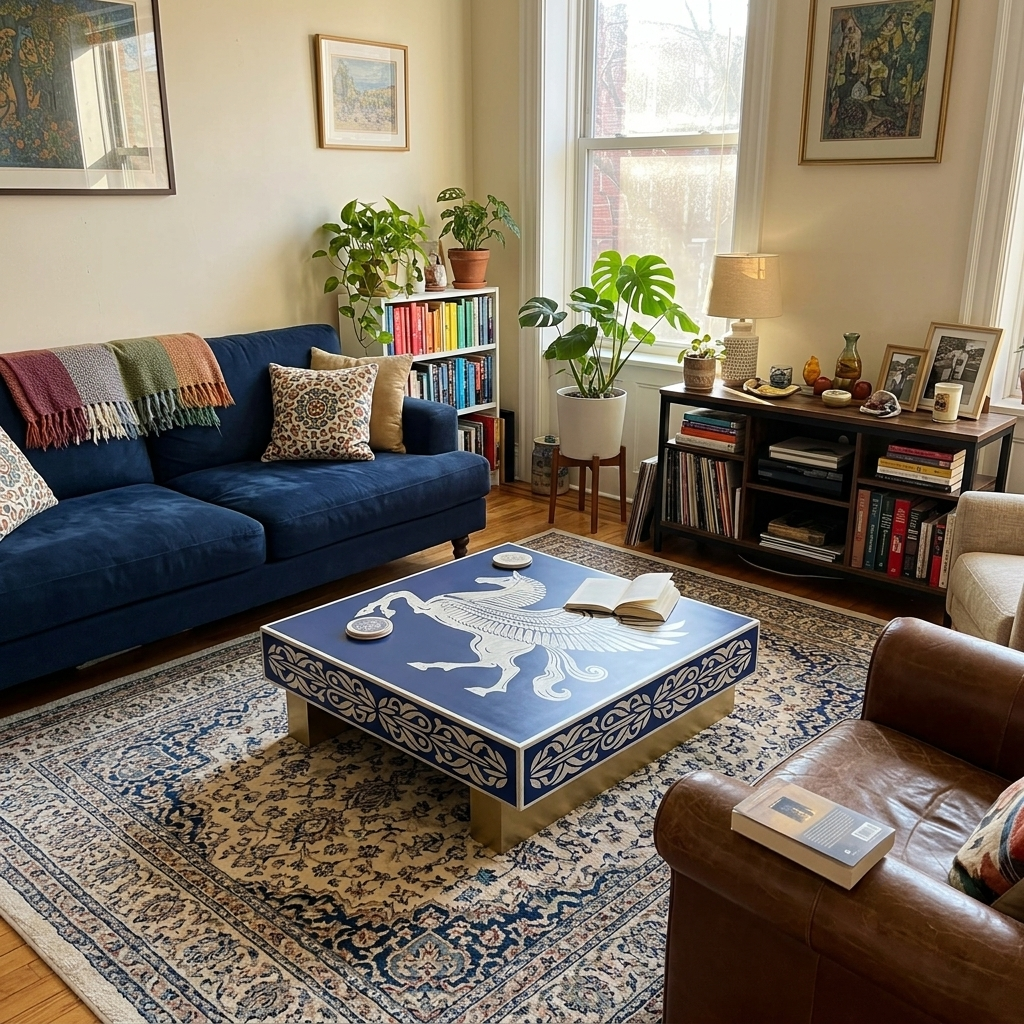
If your room already contains colourful artwork, patterned rugs or decorative upholstery, consider a more restrained furniture palette.
A neutral cabinet can add texture without competing with the other visual elements.
Geometric or floral designs?
Geometric patterns often complement modern interiors with clean lines and angular furniture. Floral motifs can soften spaces dominated by rectangular cabinets, straight-edged tables and minimal wall décor.
Neither option is inherently better. The right choice depends on whether you want the bar cabinet to echo the room's existing design language or introduce a deliberate contrast.
You can compare additional inlay designs in the CasaGold bone inlay furniture collection.
4. Make the Cabinet the Focal Point Without Overdecorating It
A common styling mistake is treating the top of a bar cabinet like a shelf that must hold every attractive object in the house.
Bottles, glassware, plants, lamps, trays, sculptures and framed photographs may all look appealing individually. When crowded together, however, they can hide the furniture's pattern and make the arrangement feel disorganised.
Instead, build the styling around a few purposeful elements.
Start with a tray that groups the bottles or serving essentials you want to display. Add one decorative object or a small arrangement of flowers to introduce height. Leave part of the surface open for practical use.
Consider how the proportions relate to the cabinet. A very tall vase on a narrow cabinet can make the arrangement feel top-heavy, while multiple tiny objects may disappear against an elaborate pattern.
The same principle applies to what you display inside.
Place frequently used items at accessible heights. Keep delicate glassware stable and avoid overloading shelves beyond their stated capacity.
If the cabinet already has a detailed front, restrained accessories usually create a more balanced result.
5. Use Lighting to Highlight the Details
Lighting can change how decorative furniture appears throughout the day.
Natural daylight reveals colour and surface detail, while warm evening lighting can make a living room feel more intimate and welcoming.
If your cabinet is placed against a wall, consider a nearby lamp or suitable wall light to create a soft pool of illumination around the arrangement.
A mirror can also help reflect light in an otherwise dim corner. Choose its size in proportion to the cabinet rather than automatically selecting the largest available option.
For a modern interior, a simple framed mirror or understated artwork can complement the patterned front without introducing another competing design.
Avoid positioning lights where reflections make glassware difficult to see. If you install cabinet lighting, use a setup suited to furniture interiors and follow the manufacturer's guidance for heat management and electrical safety.
Good lighting should make the cabinet easier to appreciate, not turn it into an isolated display that feels disconnected from the rest of the room.
6. Combine the Bar Cabinet with Wood, Metal and Other Materials
A bone inlay bar cabinet does not need matching furniture to look at home.
In fact, combining different materials often produces a more layered interior.
Warm walnut, natural oak, brass-toned hardware, woven textures and neutral upholstery can all complement decorative inlay when their proportions are considered.
With warm wood
Wooden flooring or a timber dining table provides a natural visual foundation. A contrasting inlay pattern introduces detail while allowing the wood grain to remain visible elsewhere.
With brass accents
Brass-coloured handles, a lamp base or a serving tray can connect with the cabinet's hardware and add warmth.
Keep the number of metallic finishes under control. If your room already contains several chrome or black-metal elements, introducing another finish should serve a clear design purpose.
With stone and textured fabrics
Stone surfaces, linen curtains, woven rugs and upholstered chairs can soften the graphic appearance of a patterned cabinet.
These materials create a useful balance between smooth finishes and visible texture.
The aim is not to make every element match. It is to establish a relationship between colours, materials and proportions so the cabinet feels like part of the overall design.
7. Create a Home Bar That Works in a Compact Apartment
A dedicated entertainment room is not necessary to create a well-designed home bar.
In many Indian apartments, a single cabinet can provide a beverage station without requiring permanent construction or major changes to the layout.
The key is choosing an arrangement that respects the room's existing functions.
A cabinet along an available dining room wall can keep drinks and serving accessories close to the table. In a living room, placing it near the entertaining area may be convenient, provided it does not obstruct the main walkway.
For particularly compact spaces, consider whether a narrow cabinet or existing storage unit could fulfil the same role.
You can also use the cabinet for more than one purpose. A carefully organised interior can accommodate barware alongside selected serving pieces, provided the items remain stable, clean and easy to access.
Avoid placing the cabinet where its doors block a main entrance or where guests must cross a crowded seating area to reach it.
Storage should make hosting easier, not introduce another obstacle.
8. Choose Between a Bar Cabinet, Bar Counter and Bar Accessories
These furniture options solve different problems, so choosing the right category makes shopping easier.
Bar cabinets
A bar cabinet is suited to homeowners who need enclosed storage and want to keep most items out of sight. Its decorative exterior can also contribute to the room's design.
Explore CasaGold's bar storage cabinets and trolleys to compare available cabinet styles.
Bar counters
A bar counter may be more appropriate when you want a dedicated serving surface or a setup designed around stools.
Before selecting one, consider the floor area, stool clearance and whether people will need to stand or sit around it.
CasaGold's bar counters and stools collection is a useful starting point.
Bar accessories
If you already own suitable storage furniture, you may not need a new cabinet at all. A tray, serving set, wine cooler or other accessories can help create a dedicated beverage station on an existing surface.
Browse the CasaGold bar accessories collection for finishing touches.
Choosing the right category before comparing products prevents you from purchasing decorative furniture that does not meet your actual requirements.
9. Protect Your Furniture and Organise It for Everyday Use
Decorative inlay furniture deserves sensible care, especially when it is used for serving drinks.
A few straightforward habits can help maintain its appearance.
Wipe up spills promptly rather than allowing liquid to remain on the surface. Use coasters and trays to protect the finish from moisture, condensation and accidental marks.
Clean the cabinet with a soft, suitable cloth and follow the manufacturer's care instructions. Avoid abrasive pads, harsh cleaning chemicals and excessive water unless the furniture's specific guidance permits them.
Keep the cabinet away from persistent dampness and prolonged direct sunlight. These conditions can affect the appearance of many furniture finishes over time.
Organisation matters just as much as cleaning.
Store glassware so it cannot slide or knock against other items when the doors open. Keep heavy objects on shelves designed to support their weight, and avoid stacking fragile glasses in unstable arrangements.
If children or pets live in the home, consider where potentially hazardous contents and fragile items are stored. Use appropriate locks or secure storage where needed.
If the cabinet is tall or narrow, assess whether it needs anchoring according to the manufacturer's instructions.
A well-maintained cabinet should remain attractive while serving its practical purpose.
10. A Checklist Before Buying a Bone Inlay Bar Cabinet
Before making a final decision, work through these questions.
Will it fit the room? Check its complete dimensions, the space available around it and any door or drawer clearance requirements.
Does the storage match your needs? Review the internal layout, shelf arrangement and space available for your bottles, glassware and accessories.
Does the pattern suit your interiors? Compare its colour and design with your flooring, wall colour, upholstery and other furniture.
Is the surface practical? Check care requirements and plan to use suitable coasters and trays around liquids.
Can you access everything comfortably? Make sure the shelves and compartments work for the items you use most often.
Is the delivery process clear? Confirm the delivery timeline, packaging, handling requirements and return policy before ordering.
Are custom options available? Where offered, ask about changes to dimensions, colours, materials or other specifications before placing an order. Do not assume every option is available on every model.
These checks help you evaluate a cabinet on more than its appearance alone.
Frequently Asked Questions
Is a bone inlay bar cabinet suitable for a modern Indian home?
Yes. A patterned cabinet can introduce craftsmanship into contemporary living rooms, dining areas and lounge spaces. It works particularly well when the surrounding furniture and accessories are kept balanced.
Where should I place a bar cabinet at home?
Common locations include an available living room wall, a dining room corner or an existing alcove. Choose a position that allows easy access without obstructing walkways or nearby doors.
What colour bone inlay bar cabinet should I choose?
Black and white offers a strong graphic contrast, while teal and green introduce colour. Neutral designs suit more restrained interiors. Consider the room's existing finishes before choosing a cabinet.
Can a bar cabinet be used as a mocktail or coffee station?
Yes, provided the internal storage and top surface suit the equipment and accessories you intend to use. Appliances must be installed and operated according to their safety instructions, with suitable ventilation and electrical access where required.
How do I maintain a bone inlay bar cabinet?
Clean it according to the manufacturer's recommendations, wipe spills promptly, avoid harsh chemicals and protect the surface from prolonged moisture and direct sunlight.
What is the difference between a bar cabinet and a bar counter?
A bar cabinet primarily provides storage and display, while a bar counter is designed around a serving surface and may accommodate stools. The right option depends on available space and how you intend to use it.
Find the Right Bar Furniture for Your Home with CasaGold
A home bar should feel like a natural extension of your interiors rather than a separate feature added simply for decoration.
The best choice balances storage, dimensions, materials and visual character. A distinctive bone inlay cabinet can make a living room or dining area more personal, while thoughtful placement and restrained styling help preserve the comfort of the space.
Start by deciding what you need to store, measure the available area and choose a pattern that complements your existing furniture.
Explore the CasaGold bar storage collection, compare bar counters and stools, or browse bar accessories to complete your setup.
With the right furniture and a little planning, an unused corner can become a practical, beautifully styled part of your home.

Written by Cheena Bhasin


Leave a comment
This site is protected by hCaptcha and the hCaptcha Privacy Policy and Terms of Service apply.