

Article: Will Inlay Furniture Warp in Monsoon? Humidity Care for Indian Homes
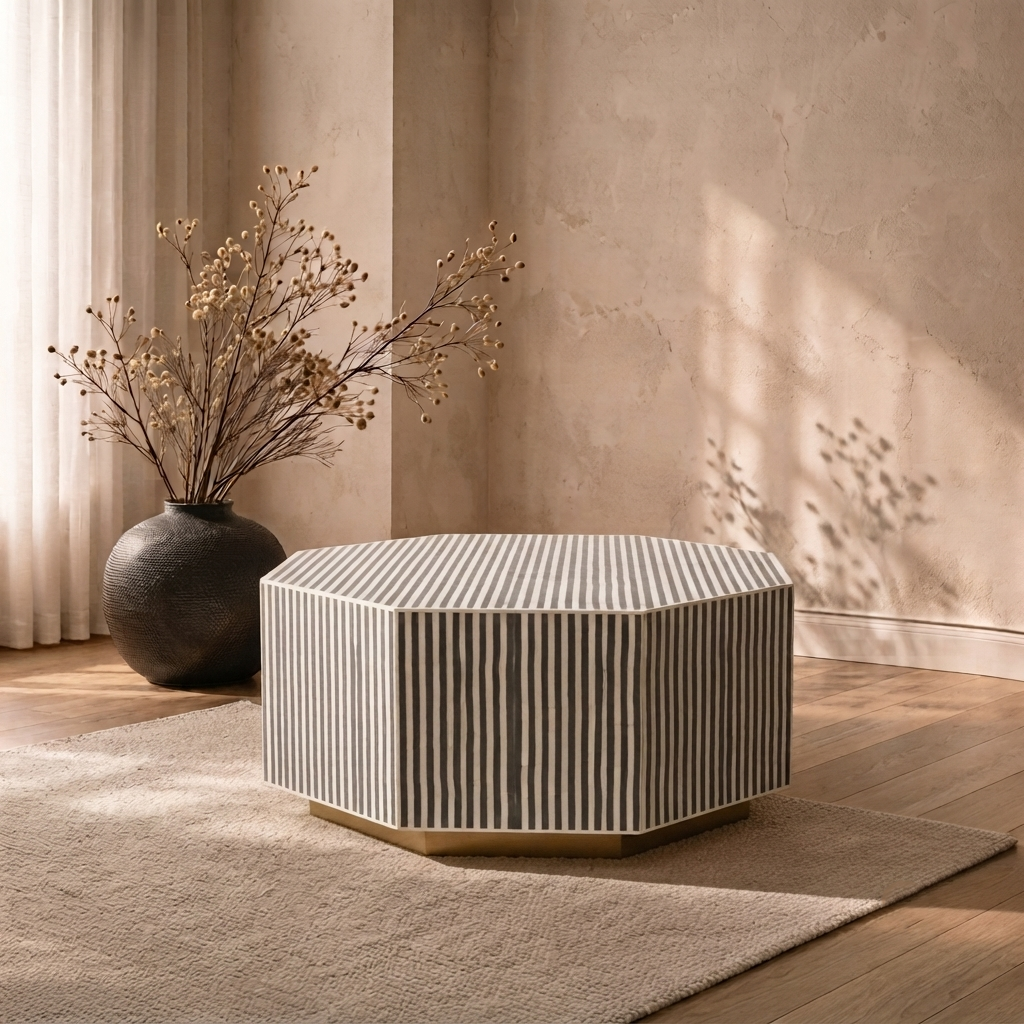
Will Inlay Furniture Warp in Monsoon? Humidity Care for Indian Homes
Monsoon brings much-needed relief from the heat, but it also creates one of the biggest challenges for wooden furniture in Indian homes: high humidity.
If you own or are planning to buy an inlay furniture piece, you may wonder whether moisture in the air can cause the wood to warp, crack, swell, or damage the delicate inlay work.
The short answer is that inlay furniture can be used safely during the monsoon, but it needs the right environment and basic care. High humidity does not automatically mean that your furniture will warp. The real concern is prolonged exposure to moisture, sudden changes in temperature and humidity, water spills, poor ventilation, and incorrect cleaning methods.
This is particularly important for handcrafted furniture because natural wood responds to changes in its surroundings. Understanding how humidity affects wood can help you protect an inlay table, console, cabinet, chest, side table, or other handcrafted furniture for many years.
In this guide, we explain why wooden furniture reacts to humidity, whether inlay furniture is suitable for Indian homes, how to care for it during the monsoon, and what you can do if you notice swelling or minor movement.
What Is Inlay Furniture?
Inlay furniture is created by embedding decorative materials into a base surface, usually wood. Traditional and contemporary inlay designs can use materials such as contrasting wood, metal, bone, stone, resin, or other decorative elements.
The result is a furniture piece where the surface itself becomes part of the artwork.
Inlay furniture is often chosen for statement pieces such as consoles, coffee tables, cabinets, bedside tables, sideboards, and decorative chests because it combines functionality with craftsmanship.
For homeowners looking for distinctive furniture, a handcrafted inlay furniture collection can add a strong visual element to a living room, bedroom, entryway, or dining area.
However, because many inlay pieces use natural wood, understanding the relationship between wood and humidity is important, especially in cities where monsoon humidity can remain high for weeks.
Why Does Wood React to Humidity?
Wood is a natural, porous material. Unlike materials such as glass or metal, it constantly interacts with the surrounding environment.
When humidity rises, wood can absorb moisture from the air. When the environment becomes drier, it releases some of that moisture.
This process is known as wood movement.
Wood does not simply expand and contract equally in every direction. The amount and direction of movement depend on the species of wood, grain orientation, construction method, moisture content, finishing, and environmental conditions.
During the Indian monsoon, indoor relative humidity can rise considerably. If furniture is continuously exposed to this environment, the wood may absorb additional moisture.
This can result in:
• Slight expansion
• Swelling
• Changes in joints
• Minor movement in panels
• Doors or drawers becoming slightly tighter
• Surface or finish-related issues in extreme conditions
This does not mean the furniture is defective. Natural wood movement is part of owning wooden furniture.
The goal of good furniture construction and maintenance is to control and minimise excessive movement.
So, Will Inlay Furniture Warp During the Monsoon?
Not necessarily.
A well-made inlay furniture piece should be designed and finished with the natural behaviour of wood in mind. Warping becomes a greater concern when furniture is exposed to excessive moisture, standing water, very high humidity for extended periods, or rapid environmental changes.
The construction quality matters enormously.
A properly seasoned wooden structure, appropriate joinery, suitable finishing, and careful craftsmanship can make a significant difference to long-term performance.
Think of it this way: monsoon humidity is not automatically the enemy of wooden furniture. Uncontrolled moisture is.
A dining table placed inside a well-ventilated room and protected from direct water exposure is in a very different situation from a wooden cabinet kept against a damp wall in a poorly ventilated room.
What Causes Wooden Furniture to Warp?
Warping occurs when different parts of a wooden component change dimensions unevenly.
Several factors can contribute to this.
1. Excessive Humidity
Long periods of high humidity can increase the moisture content of wood. If different sections absorb moisture at different rates, internal stresses can develop.
2. Direct Water Exposure
A humid room is one thing. Water sitting on furniture is another.
Spilled drinks, leaking windows, wet cleaning cloths, condensation, or water dripping from air conditioners can expose furniture to much higher levels of moisture.
3. Damp Walls
One commonly overlooked issue in Indian homes is placing wooden furniture directly against a damp wall.
During monsoon, external walls can sometimes retain moisture. Keeping a cabinet, console, or wooden panel pressed tightly against such a wall can restrict airflow and increase the risk of moisture-related problems.
4. Poor Ventilation
A closed room with little air circulation can become humid and uncomfortable.
Furniture needs a reasonably stable indoor environment. Good ventilation helps reduce excessive moisture accumulation.
5. Sudden Environmental Changes
Repeatedly moving furniture between dramatically different environments can also create stress.
For example, extremely cold air conditioning followed by a very humid environment can create fluctuations that natural wood responds to.
6. Poor Construction or Improperly Prepared Wood
The quality of the wood and manufacturing process matters.
Wood that has not been properly seasoned or furniture that has been poorly constructed can be more vulnerable to movement.
This is why buying handcrafted furniture from a manufacturer or furniture brand that understands wood construction is important.
Does the Inlay Itself Get Damaged by Humidity?
The answer depends on the materials used in the inlay.
The wooden structure and decorative inlay materials can respond differently to changes in moisture and temperature.
For example, if an inlay design combines wood with another material, differences in expansion rates can create stress at the interface.
High humidity can also affect certain finishes, adhesives, or decorative materials if the furniture is exposed to unsuitable conditions for extended periods.
That is why inlay furniture should not be treated like an ordinary decorative object. It is a functional piece of craftsmanship that needs sensible environmental care.
Fortunately, you do not need to keep your home perfectly climate-controlled.
You simply need to avoid prolonged exposure to excessive moisture and take a few practical precautions.
10 Monsoon Care Tips for Inlay Furniture
1. Keep Furniture Away From Damp Walls
Maintain some space between wooden furniture and walls, particularly exterior walls that may become damp during heavy rainfall.
This allows air to circulate behind the furniture and reduces the chances of moisture becoming trapped.
This is particularly important for large cabinets, sideboards, consoles, and wardrobes.
2. Don't Place Inlay Furniture Near Leaking Windows
Rainwater entering through a window can cause far more damage than normal atmospheric humidity.
Check window frames, balconies, terraces, and nearby areas for leaks before the monsoon becomes intense.
If your furniture is near a window, make sure rain cannot directly reach it.
3. Wipe Spills Immediately
If water, tea, coffee, juice, or another liquid spills on your furniture, wipe it promptly using a clean, soft and dry cloth.
Don't allow moisture to sit on the surface.
This is particularly important around joints and edges where water may penetrate more easily.
4. Avoid Excessively Wet Cleaning
One of the most common mistakes people make with wooden furniture is using too much water while cleaning.
A wet cloth should not be dripping.
For routine cleaning, use a soft, dry or lightly damp cloth according to the manufacturer's care instructions. Avoid soaking the surface.
5. Maintain Good Air Circulation
Keep rooms reasonably ventilated during the monsoon.
If you use air conditioning or a dehumidifier, maintaining a stable indoor environment can also help protect natural wood.
The goal isn't to make your home extremely dry. The goal is to avoid prolonged, extreme humidity.
6. Use a Dehumidifier When Necessary
If your home regularly feels damp, a dehumidifier can be useful.
This is particularly helpful in areas where monsoon humidity remains high or in rooms with limited ventilation.
A humidity monitor can also help you understand what's happening inside your home instead of relying only on how the room feels.
7. Don't Cover Furniture With Plastic
Plastic covers can trap moisture against the furniture.
If you're storing furniture temporarily, choose a breathable protective covering and make sure the furniture is completely dry before covering it.
For everyday use, keeping furniture exposed to normal indoor airflow is generally better than sealing it in plastic.
8. Protect the Furniture From Wet Objects
Avoid placing wet umbrellas, damp bags, wet clothes, or recently washed objects on wooden surfaces.
It sounds obvious, but these small sources of moisture can create localised problems.
Use trays or mats wherever moisture is likely to occur.
9. Be Careful With Air Conditioners
Don't position furniture directly under an AC unit where condensation or water leakage could reach it.
At the same time, avoid exposing furniture to strong, continuous blasts of extremely cold air.
A stable indoor environment is preferable to extreme fluctuations.
10. Follow the Manufacturer's Care Instructions
Different finishes and materials require different maintenance.
Before applying polish, oil, wax, cleaning chemicals, or other products, check the manufacturer's recommendations.
Using the wrong product can damage the finish even when the wood itself is perfectly healthy.
Where Should You Place Inlay Furniture During Monsoon?
Placement makes a bigger difference than many homeowners realise.
For example, an inlay console in an entryway can work beautifully, but avoid placing it where rainwater from an open door can reach it.
Similarly, an inlay coffee table should not be positioned underneath a leaking AC unit or directly beside a balcony opening.
Ideal placement usually means:
Good air circulation
No direct rain exposure
No persistent dampness
No water leakage nearby
Stable indoor temperature
Limited exposure to direct harsh sunlight
You don't need to hide beautiful furniture away during the rainy season. Just place it intelligently.
Can You Keep Inlay Furniture in Gurgaon or Delhi During Monsoon?
Yes.
Homes in Delhi NCR experience significant seasonal changes, including hot summers, monsoon humidity, air conditioning and relatively dry winter conditions.
This means furniture needs to handle environmental variation throughout the year.
For homeowners in Gurgaon, Delhi, Noida and nearby areas, the basic principles remain the same: keep wooden furniture indoors, avoid direct water exposure, maintain ventilation and respond quickly to spills or leaks.
A well-maintained piece of inlay furniture can remain part of your home for years without needing to be packed away every monsoon.
What If Your Wooden Furniture Already Looks Swollen?
Don't panic.
Minor changes in drawers, doors, or wooden panels can happen when humidity increases.
For example, a drawer that worked perfectly during winter may feel slightly tighter during monsoon.
Before taking any drastic action, allow the environment to stabilise.
Improve ventilation, reduce excessive indoor humidity and make sure there isn't a leak or moisture source affecting the furniture.
Avoid sanding, cutting, drilling or making permanent modifications while the wood is still reacting to a humid environment.
If the problem continues after humidity levels return to normal, contact the furniture manufacturer or a qualified furniture professional for assessment.
How Can You Tell if Furniture Has a Serious Moisture Problem?
Not every small change is a sign of serious damage.
Watch for:
Persistent warping
Large cracks
Loose or separated inlay components
Significant swelling
Finish peeling or bubbling
Mould or fungal growth
Strong musty odour
Water stains that continue to spread
Doors or drawers becoming severely misaligned
If you notice these symptoms, identify the source of moisture first.
Fixing the underlying problem is more important than simply repairing the visible damage.
For example, refinishing a cabinet will not solve the problem if it continues to sit against a damp wall.
Does Polishing Protect Inlay Furniture From Humidity?
A suitable finish can provide a degree of protection, but polish should not be considered a waterproof shield.
The finish helps slow moisture exchange and protects the surface from everyday wear, but it cannot make natural wood completely immune to humidity.
Using excessive polish or applying an unsuitable product can sometimes create its own problems.
The best approach is to maintain the existing finish according to the manufacturer's recommendations rather than continuously adding layers of random products.
How Long Can Inlay Furniture Last?
High-quality wooden furniture can last for decades when it is properly constructed and maintained.
In fact, one of the biggest advantages of investing in well-crafted furniture is longevity.
Unlike inexpensive furniture designed primarily for short-term use, a carefully made inlay piece can become a long-term part of your home.
The lifespan depends on:
Quality of wood
Wood seasoning
Construction quality
Joinery
Inlay materials
Finish
Indoor environment
Maintenance
Frequency of use
Monsoon care is only one part of the equation.
Good everyday habits throughout the year matter just as much.
Why Quality Matters When Buying Inlay Furniture
If you're buying an inlay furniture piece, don't focus only on the pattern or appearance.
Ask about the construction.
A beautiful surface cannot compensate for poor underlying craftsmanship.
Look at how the panels meet, how drawers operate, the quality of the finish, the consistency of the inlay, and how the furniture is constructed.
For statement furniture intended to stay in your home for many years, craftsmanship is worth prioritising.
CasaGold focuses on distinctive handcrafted furniture and decorative pieces designed to bring character to contemporary interiors. Explore the CasaGold furniture collection to discover handcrafted pieces for living rooms, bedrooms, dining spaces and other areas of the home.
Frequently Asked Questions About Inlay Furniture and Monsoon
Does humidity damage wooden inlay furniture?
High humidity can cause natural wood to absorb moisture and move. However, normal seasonal humidity does not automatically damage quality furniture. Problems are more likely when furniture is exposed to prolonged excessive moisture, direct water, leaks or poor ventilation.
Can I keep an inlay coffee table during monsoon?
Yes. Keep it indoors, away from leaking windows, balconies and AC condensation. Wipe spills immediately and avoid cleaning it with excessive water.
Should I cover wooden furniture during monsoon?
Avoid airtight plastic covers because they can trap moisture. Normal indoor furniture generally benefits from good airflow.
Can wooden furniture swell during monsoon?
Yes. Natural wood can absorb moisture and expand. Drawers or doors may become slightly tighter during periods of high humidity. If the movement is significant or persists, have the furniture inspected.
Is an inlay table waterproof?
No wooden furniture should be assumed to be completely waterproof. Finishes provide protection, but prolonged exposure to water can still damage wood and decorative surfaces.
Should I use a dehumidifier for wooden furniture?
If indoor humidity is consistently high, a dehumidifier can help create a more stable environment. A simple humidity monitor can help you determine whether one is necessary.
Can I clean inlay furniture with water?
Avoid excessive water. Use a soft cloth and follow the manufacturer's specific cleaning recommendations for the finish and materials used in the furniture.
Is inlay furniture suitable for Indian homes?
Absolutely. Inlay furniture can work very well in Indian homes. The key is choosing well-crafted furniture and maintaining a sensible indoor environment, particularly during the monsoon.
Final Thoughts
The Indian monsoon doesn't mean you have to choose between beautiful furniture and practical living.
Inlay furniture can comfortably be part of your home throughout the rainy season when it is properly constructed, correctly placed and maintained.
The biggest mistake is treating humidity as the only problem. In reality, the combination of moisture, poor ventilation, leaks, damp walls, wet cleaning and sudden environmental changes creates most of the risk.
Keep your furniture away from direct water, give it room to breathe, wipe spills quickly, avoid excessive cleaning moisture and maintain a stable indoor environment.
And remember that natural wood is not completely static. Small seasonal changes are part of its character.
When you invest in a thoughtfully crafted inlay piece, you're not buying something that needs to be hidden away whenever the weather changes. You're bringing a piece of craftsmanship into your home that, with the right care, can remain beautiful for years.
For handcrafted statement pieces designed to bring warmth and character into Indian interiors, explore CasaGold and discover furniture that combines traditional craftsmanship with contemporary design.

Written by Cheena Bhasin



Leave a comment
This site is protected by hCaptcha and the hCaptcha Privacy Policy and Terms of Service apply.