


How to Measure Furniture Before Ordering Online
Introduction
Buying furniture online makes it easier to explore different styles, compare designs, and find pieces that complement your home. From sculptural accent tables to elegant cabinets and statement-making furniture, online shopping offers access to designs that may not be available in local showrooms. However, there is one detail that deserves as much attention as the design itself: measurements.
A piece of furniture can look perfect in a product photograph and still be completely unsuitable for your space. A dining table might leave insufficient room to pull out chairs, a cabinet could obstruct a doorway, or a beautiful side table might appear oversized beside your sofa. In other situations, the furniture may fit comfortably in the room but fail to pass through the entrance during delivery.
These problems are avoidable when you understand how to measure furniture before ordering online.
The process involves more than checking the product's length, width, and height. You also need to measure the available floor space, account for movement around the furniture, consider nearby doors and windows, and check the route from your building entrance to the intended room.
This guide explains how to measure furniture accurately, interpret product dimensions, and make confident purchasing decisions. Whether you are furnishing a new apartment, refreshing a living room, or choosing a statement piece for a bedroom, these practical steps will help you select furniture that looks right and fits comfortably.
1. Understand Furniture Dimensions Before You Shop
The first step is learning how furniture dimensions are presented on product pages. Most online furniture listings provide measurements in centimetres, inches, or occasionally millimetres. Always check the unit before comparing products or measuring your room.
The three standard dimensions are:
-
Length: The measurement from one end of the furniture to the other along its longest side.
-
Width or depth: The measurement from the front to the back of the furniture.
-
Height: The vertical measurement from the floor to the highest point.
For example, a console table listed as 120 × 35 × 80 cm may have a length of 120 cm, a depth of 35 cm, and a height of 80 cm. Check the seller's dimension diagram because the order in which measurements appear can differ between product categories.
Different furniture types may require additional measurements. For a dining chair, seat height and seat depth affect comfort. For a cabinet, internal shelf dimensions and usable storage space matter. For a coffee table, the distance between the tabletop and sofa seat can influence how practical it feels.
Do not assume that two products with similar overall dimensions will have the same usable space. Frame thickness, legs, drawers, handles, and decorative details can affect the final footprint.
2. Measure the Room Before Choosing Furniture
Before selecting a product, measure the room where you intend to place it. A rough estimate based on floor tiles or visual judgement is not enough, particularly when buying larger pieces.
Measure the length and width
Use a tape measure to record the length and width of the room. Measure from wall to wall, keeping the tape straight and noting any irregularities.
If the room has an alcove, projecting column, built-in wardrobe, or unusual wall angle, measure those areas separately. A rectangular room on a floor plan may have obstacles that change the usable space.
For example, a room measuring 400 cm by 350 cm has a total floor area of 14 square metres. However, that does not mean every part of the floor is available for furniture. A doorway, radiator, balcony entrance, or existing sofa may reduce the practical placement area.
Identify fixed obstacles
Record the positions of:
-
Doors and their opening directions
-
Windows and curtains
-
Electrical sockets and switches
-
Radiators and air-conditioning units
-
Built-in storage and wardrobes
-
Columns, beams, and wall projections
-
Passageways to other rooms
These details help you identify where furniture can be placed without interfering with daily activities.
Mark the intended furniture area
Once you have measured the room, use masking tape to mark the proposed furniture footprint on the floor. If you are considering a large cabinet, outline its length and depth. For a dining table, mark the tabletop footprint and add space around it for chairs.
Walk around the taped area and imagine using the furniture. Open nearby doors, move through the room, and check whether the arrangement feels natural.
This simple exercise is particularly useful when choosing furniture online because you can assess the scale without physically having the product.
3. Measure Doorways, Corridors, and Staircases
A common mistake is checking whether furniture fits inside a room without checking whether it can reach that room.
Before placing an order, measure the complete delivery route. This includes the main entrance, apartment door, internal doorways, hallways, lifts, staircases, and any tight turns.
Measure the entrance
Measure the clear width of the doorway between the door frame and any obstruction. Do not rely solely on the overall width of the frame. The door itself, handles, and nearby walls may reduce the available space.
Also measure the clear height from the floor to the top of the opening.
Check narrow corridors and corners
A cabinet might pass through a straight doorway but prove difficult to manoeuvre around a corner. Measure the corridor width and consider the space needed to rotate the furniture.
For bulky items, the packaged dimensions can be more important than the assembled dimensions. Ask the retailer whether the product arrives assembled, partially assembled, or flat-packed.
Measure lifts and staircases
If you live in an apartment, record the lift's internal width, depth, and height, along with the clear door opening. For staircases, consider the width, ceiling height, landings, and turning points.
When necessary, provide the seller or delivery team with these measurements before ordering.
Practical tip: Never assume that a product can be tilted or turned into a narrow space without checking its shape and dimensions. A tall, rigid cabinet may require more clearance than its simple width suggests.
4. Account for Walking Space and Clearance
Furniture should fit the room without making it difficult to move around. The available floor area is only one part of a successful layout. You also need comfortable clearance between furniture pieces and around important pathways.
For many residential layouts, the following measurements are useful starting points rather than strict rules:
-
Main walking routes: Aim for approximately 75–90 cm where the layout allows.
-
Space behind dining chairs: Allow around 75–90 cm where people need to pull out chairs and move past them.
-
Coffee table to sofa: Around 35–45 cm is a useful starting range.
-
Space beside a bed: Approximately 60 cm on an accessible side can improve everyday comfort.
-
Cabinet doors and drawers: Allow enough room for them to open fully without hitting other furniture.
The right clearance depends on the furniture design, household needs, and available room size. A compact apartment may require different compromises from a large open-plan home.
For example, a coffee table that is too close to a sofa can make it uncomfortable to sit down or stand up. One placed too far away can make drinks, books, and remotes difficult to reach.
When measuring, consider the furniture in use rather than treating it as a stationary object.
5. How to Measure for Living Room Furniture
Living rooms often contain several furniture pieces competing for the same floor space. A sofa, coffee table, accent chair, media console, and side tables must work together rather than being measured independently.
Sofas and accent chairs
Measure the wall or floor area where the sofa will sit. Record the maximum acceptable length, depth, and height.
Pay attention to armrests, reclining mechanisms, chaise sections, and projecting feet. If the sofa is intended for a corner, check whether its configuration matches the room's layout.
For an accent chair, measure the entire footprint, including the legs and arms. Leave sufficient space for someone to sit down and stand up without moving other furniture.
Coffee tables
Measure the available area between the sofa and the surrounding furniture. A coffee table should provide useful surface space without interrupting movement.
Round tables can work well in layouts where sharp corners create obstacles. Rectangular designs may suit longer sofas, while nesting tables can provide flexibility in smaller rooms.
Check tabletop dimensions as well as height. A table that is visually attractive but too tall or too low may be less comfortable to use.
Side tables
Measure the available space beside the sofa or chair, including the gap between the furniture and the wall.
Compare the side table's height with the seat or armrest height of the adjacent furniture. A table that is approximately level with the armrest is often convenient, although the ideal height depends on the design.
TV consoles and media units
Measure the wall, the television, and the available depth. A console should fit the wall without obstructing doorways or nearby circulation routes.
Consider cable access, ventilation requirements, socket positions, and the space needed for devices. If the television will be mounted above the unit, check the combined proportions and viewing height.
6. How to Measure for Bedroom Furniture
Bedroom furniture must support comfortable movement as well as storage and visual balance.
Beds and bedside tables
Start with the bed's actual external dimensions rather than the mattress size alone. Headboards, footboards, frames, and projecting corners may increase the total footprint.
Measure the available space around the bed and identify the main walking routes. Check whether wardrobe doors and bedroom doors can open without hitting the bed or bedside tables.
For bedside tables, compare the height with the top of the mattress. A table close to mattress height generally provides convenient access to lamps, books, and personal items.
Dressers and chests of drawers
Measure the width, depth, and height of the intended location. Then account for drawer extension.
A chest of drawers may fit against a wall when closed but obstruct the room when its drawers are fully extended. Leave sufficient clearance for standing in front of it and accessing the contents.
Wardrobes
Measure the available wall width and height, taking skirting boards, ceiling projections, and any uneven surfaces into account.
For hinged wardrobes, allow enough space for the doors to swing open. Sliding-door wardrobes require less front clearance, although access to the interior depends on the door design.
Also consider the depth required for hanging clothes, shelves, and drawers. A wardrobe that looks compact externally may not provide the storage capacity you need.
7. How to Measure for Dining Tables and Chairs
Dining furniture needs space for the tabletop, chairs, and people moving around the dining area.
First, measure the available dining zone. Then compare it with the table's overall dimensions.
For rectangular tables, measure the length and width. For round tables, measure the diameter. For extendable tables, check both the closed and fully extended dimensions.
Next, account for chairs. Measure the width of each chair and estimate how far it extends from the table when occupied.
A dining table should allow people to sit down, pull out their chairs, and leave the table without constantly moving other furniture.
If you frequently host guests, consider the table's maximum seating capacity and extended footprint. Do not assume that the listed number of seats guarantees comfortable spacing for every chair style.
For smaller homes, round tables and compact rectangular designs may provide useful alternatives. The best choice depends on the room shape, number of occupants, and walking routes.
8. How to Measure for Cabinets, Sideboards, and Storage Furniture
Storage furniture needs particular attention because it can be deep, heavy, and fitted with projecting handles or doors.
Start by measuring the available wall space. Then check the product's external dimensions, including handles, decorative mouldings, feet, and any protruding top.
If the cabinet is going into an alcove, measure the width at several points. Walls and corners are not always perfectly straight, so the narrowest measurement may determine whether the furniture fits.
Check the door swing and drawer extension. If the cabinet will sit beside a dining table or sofa, ensure that its doors can open without blocking movement.
For display cabinets, consider the clearance required to access shelves and arrange decorative objects. For storage cabinets, review internal shelf heights and depths to ensure that they accommodate the items you intend to store.
Tall cabinets also require attention to ceiling height and safe placement. Follow the manufacturer's instructions for anchoring where applicable, especially in homes with children.
9. Use a Furniture Measurement Checklist Before Ordering
A consistent checklist makes it easier to compare furniture across different websites.
Before purchasing, confirm the following:
-
The product's length, width or depth, and height.
-
Whether the listed measurements refer to the assembled item or its packaging.
-
The total floor space available in the intended location.
-
The clearance required for doors, drawers, and moving parts.
-
The space needed for walking and everyday use.
-
The dimensions of entrances, corridors, lifts, and staircases.
-
Whether the product arrives assembled or requires assembly.
-
Any additional dimensions relevant to the furniture type, such as seat height or shelf depth.
-
Whether the product image accurately reflects its proportions and the stated dimensions.
-
The retailer's delivery, assembly, and return policies.
Keep your measurements in one note or spreadsheet. This helps when comparing several products and prevents you from repeatedly measuring the same room.
10. Common Furniture Measurement Mistakes to Avoid
Even careful shoppers can overlook details that affect the final fit.
Measuring only the wall
A wall may be wide enough for a cabinet, but nearby doors, switches, curtains, or walkways can make the placement impractical.
Ignoring the product's depth
Furniture depth is easy to underestimate in photographs. A deep sideboard or console can project much further into a room than expected.
Confusing mattress size with bed size
Bed frames and headboards often extend beyond the mattress. Always use the complete external dimensions when planning the layout.
Forgetting moving parts
Drawers, hinged doors, reclining seats, and extendable dining tables require additional space when opened or used.
Assuming furniture can pass through every doorway
The product's assembled dimensions may be manageable while its shape makes turning difficult. Check the delivery route and packaging measurements.
Relying entirely on product photographs
Wide-angle photography, camera angles, and staged interiors can distort the perceived scale of furniture. Give greater weight to dimension diagrams and written specifications.
Forgetting units
Mixing centimetres and inches can lead to substantial errors. Convert measurements carefully before comparing products.
11. How to Visualise Furniture Before Buying Online
Once you have the measurements, use them to assess how the furniture will look and function in your home.
One simple method is to create a floor plan using graph paper. Choose a scale, such as one square representing 10 cm, and draw the room's dimensions. Add doors, windows, and existing furniture before placing the new item on the plan.
Alternatively, use masking tape to outline the furniture footprint on the floor. For tall furniture, mark the proposed height on the wall with removable tape if appropriate.
You can also use a room-planning application to compare alternative layouts. Enter the actual measurements rather than relying on generic furniture shapes.
If a retailer offers a detailed product diagram or room visualisation tool, use it alongside your own measurements. These tools can help you understand proportions, but they do not replace checking delivery access and clearance.
12. Why Accurate Measurements Matter When Choosing Statement Furniture
Statement furniture can become a focal point in a room. Its success depends not only on its design but also on its relationship with the surrounding space.
An intricately patterned cabinet may look striking in a spacious living room, while a more compact design could be better suited to a narrow hallway. A decorative accent table can add character beside a chair, provided it does not interrupt the walking route.
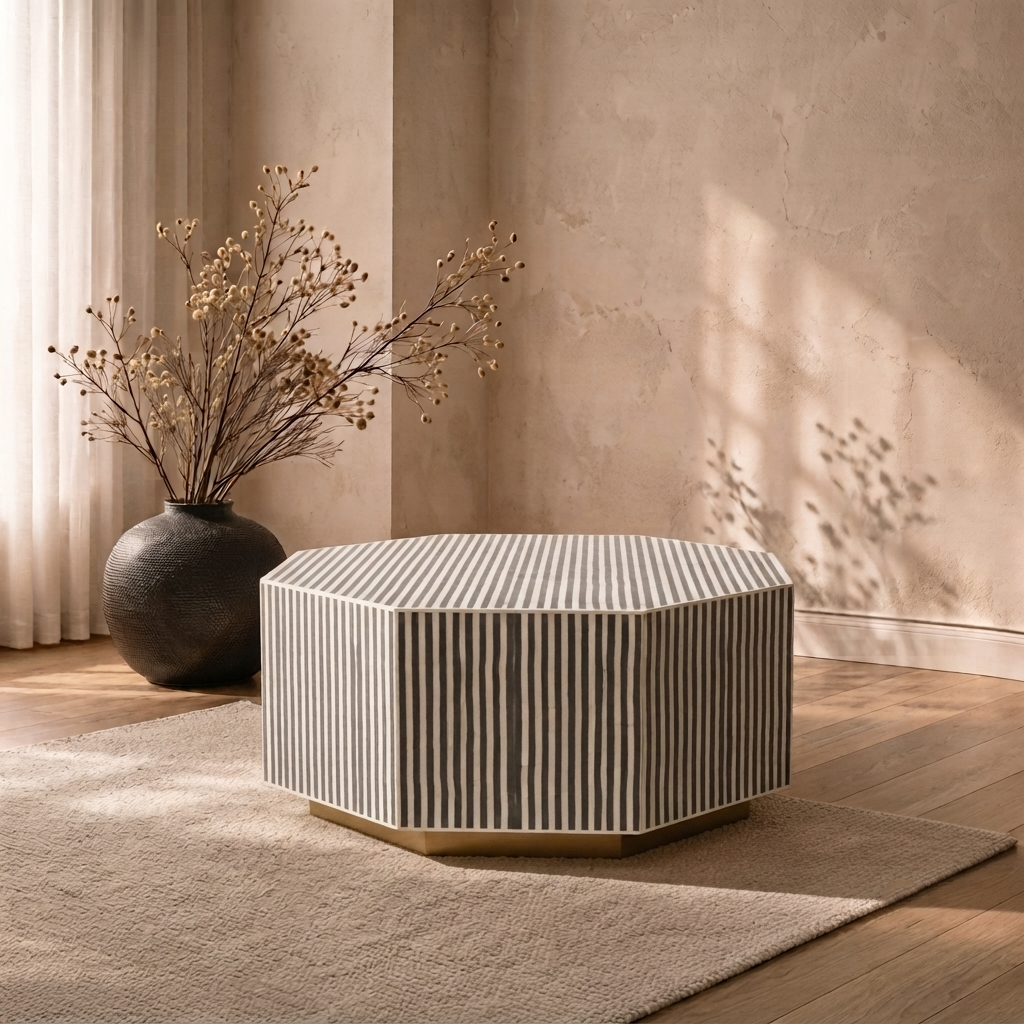
When selecting handcrafted or decorative furniture, pay attention to the overall silhouette, depth, leg placement, and decorative elements. These features influence how much space the item occupies and how it relates to nearby furniture.
CasaGold shoppers can use this approach when comparing decorative furniture and statement pieces for different rooms. Start with the available dimensions, check the product specifications, and then consider the design, finish, and placement.
The goal is not simply to find a piece that fits. It is to find furniture that feels proportionate, functions well, and complements the room.
Frequently Asked Questions
How do I measure furniture before ordering online?
Measure the product's length, width or depth, and height. Then measure the available floor space and check clearances around doors, drawers, and walkways. Finally, confirm that the furniture can pass through your entrance and delivery route.
What measurements should I check when buying furniture online?
At minimum, check the external dimensions, unit of measurement, and packaging dimensions where available. Depending on the product, you may also need seat height, shelf depth, drawer extension, tabletop diameter, or the extended size of an adjustable or expandable item.
How much space should I leave between furniture?
The appropriate clearance depends on the furniture and room layout. A walking route of around 75–90 cm is a useful target where space permits, while a gap of approximately 35–45 cm between a sofa and coffee table is a practical starting point.
How do I know whether furniture will fit through my doorway?
Measure the clear doorway width and height, then check corridors, corners, staircases, and lift openings along the delivery route. Ask the retailer for packaged dimensions and assembly details, particularly for large or rigid furniture.
Should I measure the furniture or its packaging?
Measure both whenever possible. The assembled dimensions determine whether the furniture fits in your room, while the packaged dimensions help establish whether it can be transported through the building and into the intended space.
How can I compare furniture sizes in centimetres and inches?
One inch equals 2.54 centimetres. To convert inches to centimetres, multiply by 2.54. To convert centimetres to inches, divide by 2.54. Use the same unit for every measurement in your room plan.
What if furniture fits the room but looks too large?
Check its height, depth, and visual proportions alongside the surrounding furniture. Outline its footprint with masking tape and assess the walking routes. A product that fits technically may still dominate a small room.
Can I return furniture if I measure incorrectly?
Return eligibility depends on the retailer's policy and the applicable consumer rules. Check the terms for made-to-order products, assembled furniture, return shipping, and damage before placing your order. Accurate measurements are the best way to avoid the inconvenience.
Conclusion
Measuring furniture before ordering online is one of the simplest ways to make a home furnishing purchase with confidence. By recording room dimensions, understanding product specifications, checking delivery access, and allowing sufficient clearance, you can avoid common fitting problems and create a more comfortable layout.
Take time to measure the room, visualise the furniture in place, and verify the details on the product page before completing your purchase. These steps are useful whether you are selecting a compact accent table, a bedroom storage piece, a dining table, or a statement cabinet.
At CasaGold, thoughtful furniture selection starts with understanding your space. When dimensions and design work together, the result is furniture that looks right, functions well, and feels at home in your interiors.

Written by Cheena Bhasin


Leave a comment
This site is protected by hCaptcha and the hCaptcha Privacy Policy and Terms of Service apply.